15 September 2022
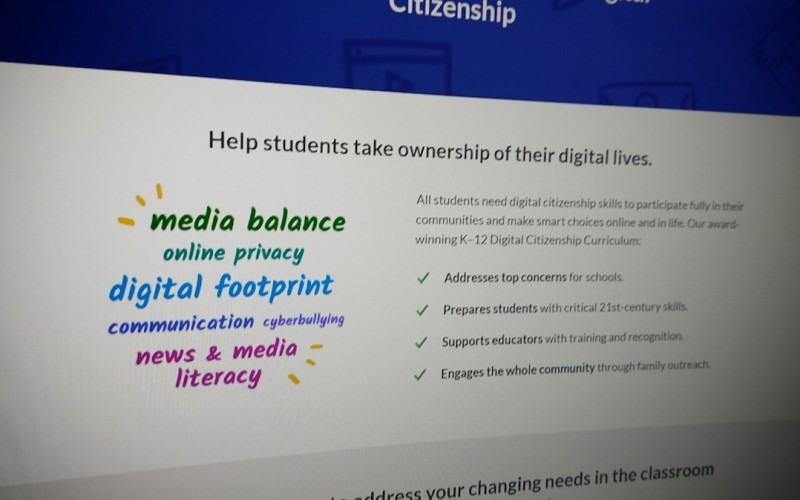
All students need digital citizenship skills to participate fully in their communities and make smart choices online and in life. An award-winning K–12 Digital Citizenship Curriculum
All students need digital citizenship skills to participate fully in their communities and make smart choices online and in life. An award-winning K–12 Digital Citizenship Curriculum
Get ready for the new school year by getting the latest online safety guidance and resources to support your return
What is BeReal?
A mobile phone app, it notifies users when the two-minute time limit to post begins – Time to BeReal.
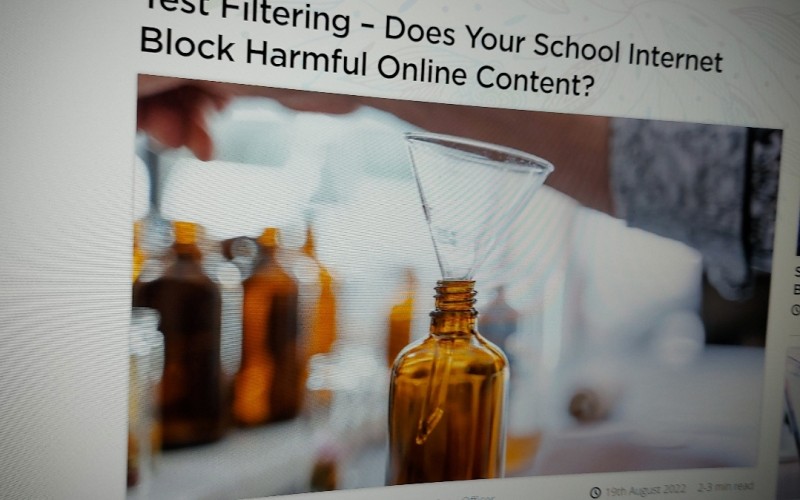
SWGFL has created the Test Filtering tool to ensure that school, public and personal internet connections are able to block out harmful online content.
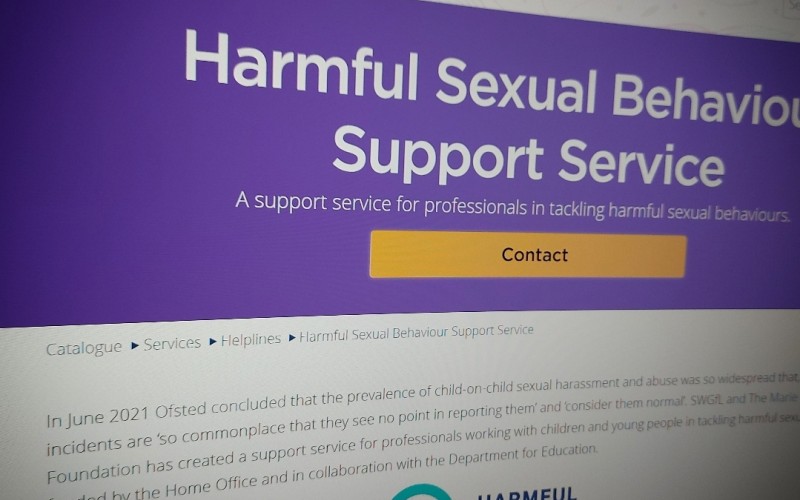
In June 2021 Ofsted concluded that the prevalence of child-on-child sexual harassment and abuse was so widespread that, for some, incidents are ‘so commonplace that they see no point in reporting them’ and ‘consider them normal’. SWGfL and The Marie Collins Foundation has created a support service for professionals working with children and young people in tackling harmful sexual behaviours, funded by the Home Office and in collaboration with the Department for Education.
You are not alone
Are you worried someone might share your intimate images online? Has this already happened to you?
This resource provides practical guidance and support.
Comments
make a comment