05 October 2021
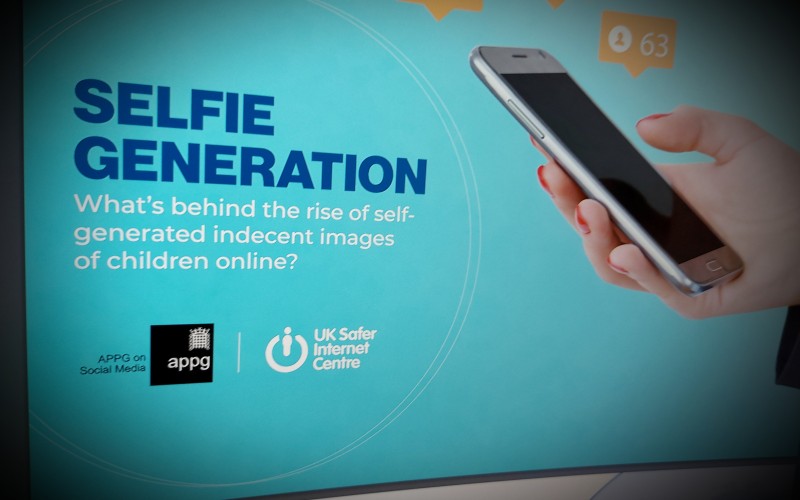
What’s behind the rise of self-generated
indecent images of children online?
A report from the APPG (All Party Parliamentary Group) on social media
What’s behind the rise of self-generated
indecent images of children online?
A report from the APPG (All Party Parliamentary Group) on social media
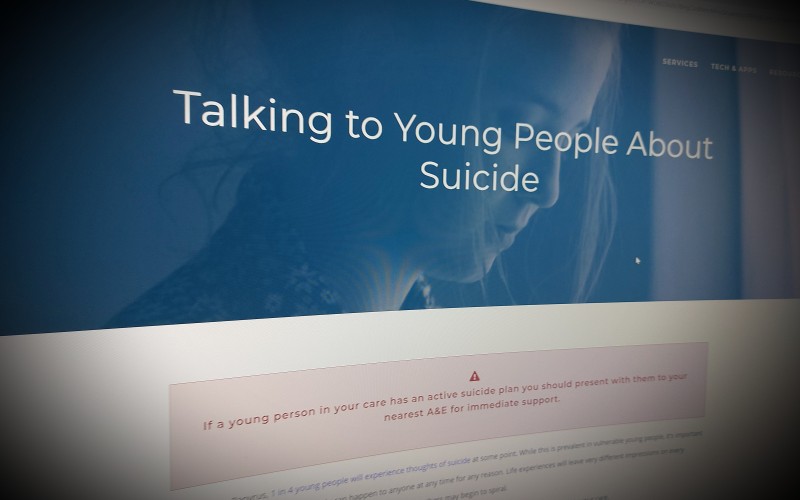
According to Papyrus, 1 in 4 young people will experience thoughts of suicide at some point. While this is prevalent in vulnerable young people, it’s important to remember that thoughts of suicide can happen to anyone at any time for any reason. Life experiences will leave very different impressions on every individual. Even if the majority feel able to cope with an event, others may begin to spiral.
It has never been more critical to know how to approach a conversation about this topic with the young people in your care.
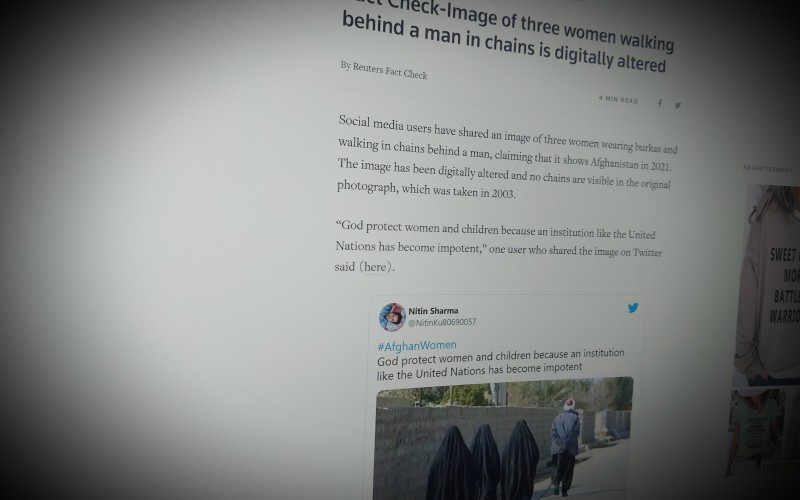
Social media users have shared an image of three women wearing burkas and walking in chains behind a man, claiming that it shows Afghanistan in 2021. The image has been digitally altered and no chains are visible in the original photograph, which was taken in 2003.
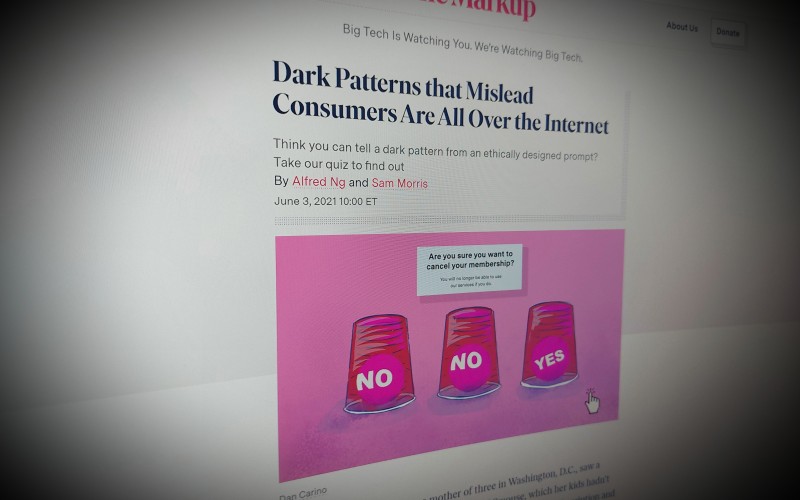
Harry Brignull, who coined the term back in 2010, said dark patterns have got worse.
“I’d hope by naming and shaming these companies and bringing it to light, it would somehow magically make it go away,” Brignull said. “I thought there would be less dark patterns 10 years later. In fact, now, there’s way more than ever before.”
He now runs DarkPatterns.org to crowdsource and call out submitted dark patterns.
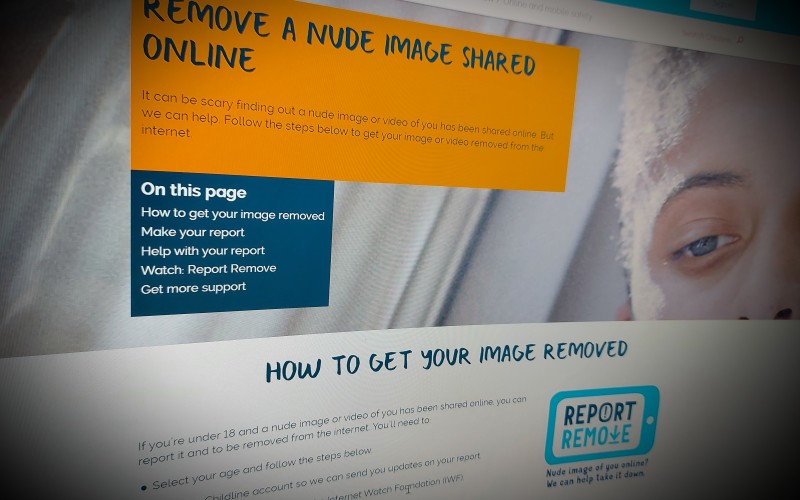
HOW TO GET YOUR IMAGE REMOVED
If you're under 18 and a nude image or video of you has been shared online, you can report it and to be removed from the internet. You'll need to:
Select your age and follow the steps below.
Create a Childline account so we can send you updates on your report.
Report your image or video to the Internet Watch Foundation (IWF).
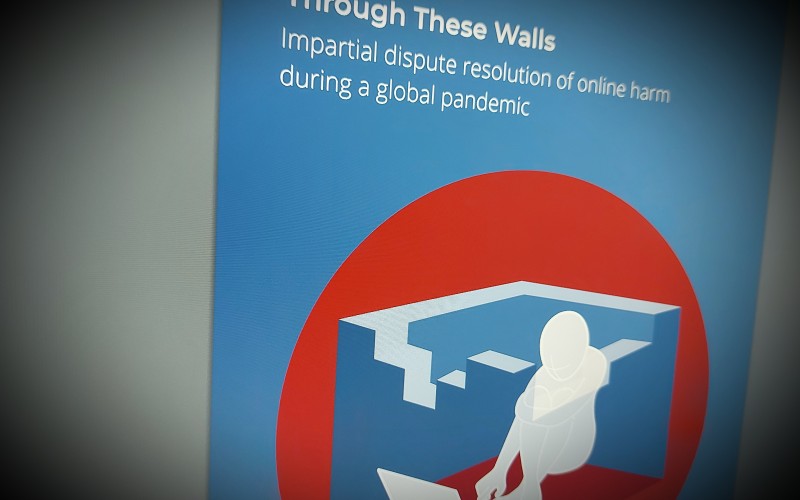
Report Harmful Content (RHC) is an impartial dispute resolution service that supports users and platforms in reporting legal but harmful online content.
Comments
make a comment