
12 January 2017
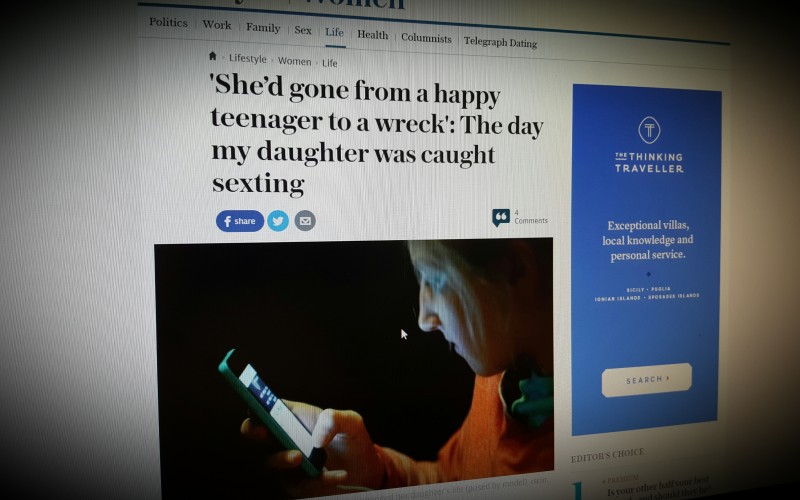
One parent who knows the dangers of sexting more than most is Roz Carver, 47, who lives in Gloucestershire with her children Kate, 17, and Joe, 20. Here, she explains how it impacted Kate's life and the whole family...
Very honest and thought provoking presentation about internet safety and safeguarding our children. Would highly recommend!
31 August 2026
One parent who knows the dangers of sexting more than most is Roz Carver, 47, who lives in Gloucestershire with her children Kate, 17, and Joe, 20. Here, she explains how it impacted Kate's life and the whole family...
The former viral “actual teen” updates his views on Facebook, Snapchat, and the rest.
This is an interesting view (one person's view) on how they use the socialmedia as a young adult.
A bleak film which tells the story of how teenager Kayleigh Haywood was groomed online by a stranger and then brutally raped and murdered has been released by police.
This week Instagram announced three new tools which give users more control over their profiles. These tools allow users to control comments on their posts, edit follower lists on private accounts and anonymously report when they think their friends need help.
A practical educational sexting resource that addresses and questions the sensitive issue of sending sexually explicit messages or photos electronically.
The pack comprises of a 25-minute play script and lesson plans that seek to educate and enlighten young people about the consequences of creating and sending indecent images.
The best way to stop yourself from becoming a victim is to be very careful about who you befriend online, especially if you’re considering sharing anything intimate with them.

Comments
make a comment