
04 January 2018
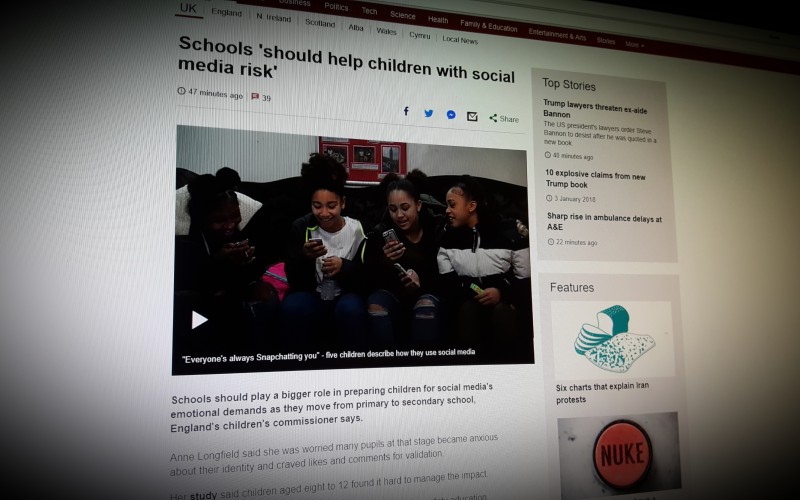
Schools should play a bigger role in preparing children for social media's emotional demands as they move from primary to secondary school, England's children's commissioner says.
Thoroughly, THOROUGHLY enjoyed your stalking session today. Invaluable and enjoyable, thank you..
31 August 2026
Schools should play a bigger role in preparing children for social media's emotional demands as they move from primary to secondary school, England's children's commissioner says.
Professionals Guidance Digital Romance
Digital Romance was led by researchers Dr Ester McGeeney (Brook) and Dr Elly Hanson (NCA-CEOP), the research took place between January and May 2017 and used a mixed methods approach involving an online survey, in person focus groups and one-to-one interviews.
The project was motivated by the desire to evolve online safety education by providing an in-depth insight into young people’s views and experiences. The project was influenced by US research conducted by the PEW Research Centre (Lenhart, Smith & Anderson, 2015) that explored the digital romantic practices of young Americans. Arguably, up until now, much of the focus of online safety work has been narrow – exploring the risks of online communication such as the unsafe sharing of personal details, the loss of control of material (especially images), and the facilitation of abusive and bullying behaviours. At times this approach has been at the expense of acknowledging the positive role of digital technology in young people’s lives and the complicated ways in which young people experience and negotiate risk.
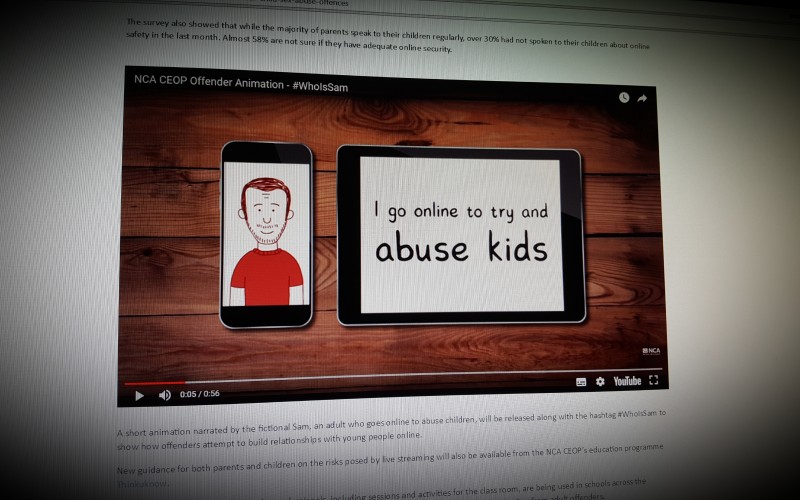
The use of live streaming platforms by online sex offenders is increasing and there is an urgent need to educate children about the risks associated with this new threat, warn child protection experts.
During a recent week of intensification to tackle child sexual exploitation and abuse, police and NCA operations across the UK safeguarded 245 children and arrested 192 people, 18 of whom were in a position of trust. 30% of those cases involved some of the highest harm offences including live streaming, blackmail and grooming.
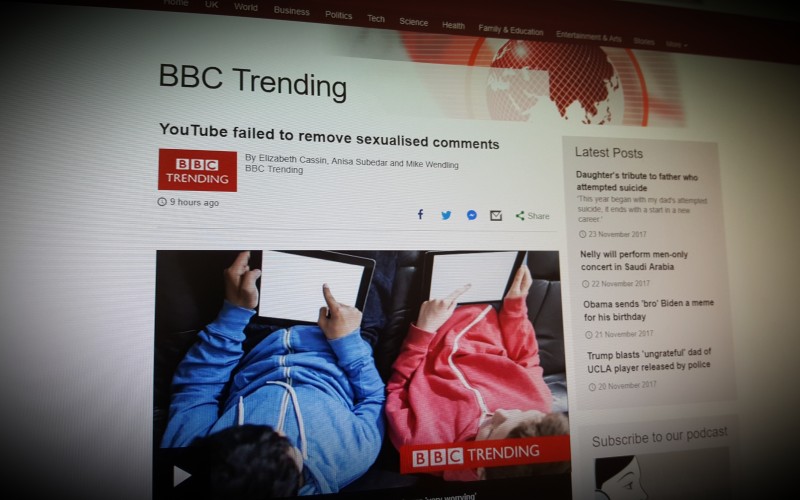
Part of YouTube's system for reporting sexualised comments left on children's videos has not been functioning correctly for more than a year, say volunteer moderators.
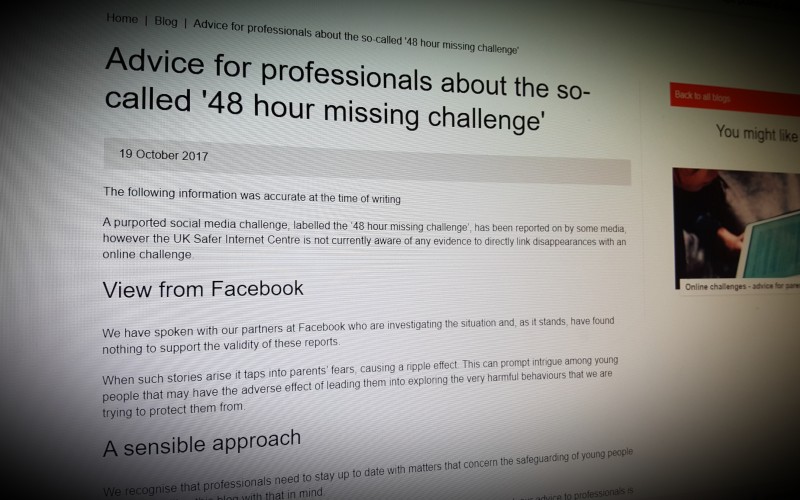
The following information was accurate at the time of writing. (19 October 2017)
A purported social media challenge, labelled the ‘48 hour missing challenge’, has been reported on by some media, however the UK Safer Internet Centre is not currently aware of any evidence to directly link disappearances with an online challenge.
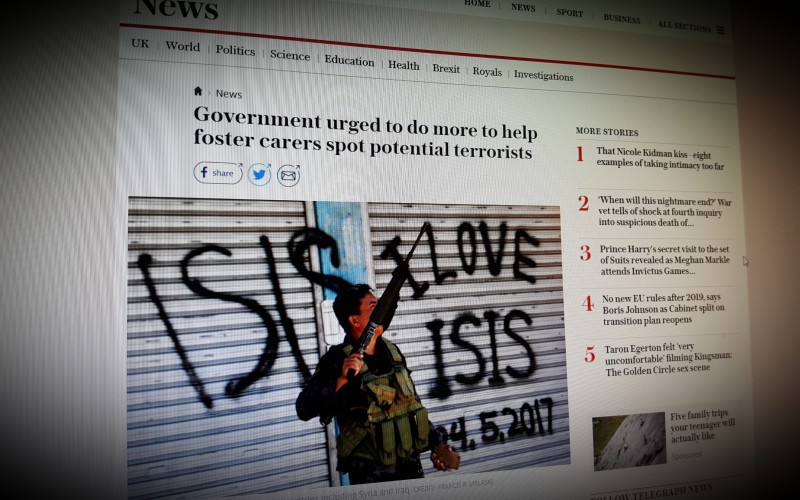
A leading adoption charity is urging the government to train foster carers to spot the signs of radicalisation among young asylum seekers from countries like Syria and Iraq who are living in their homes.

Comments
make a comment