Feedback

Simfin

online safety and digital citizenship specialist

 Tagged with guidance


14 November 2020

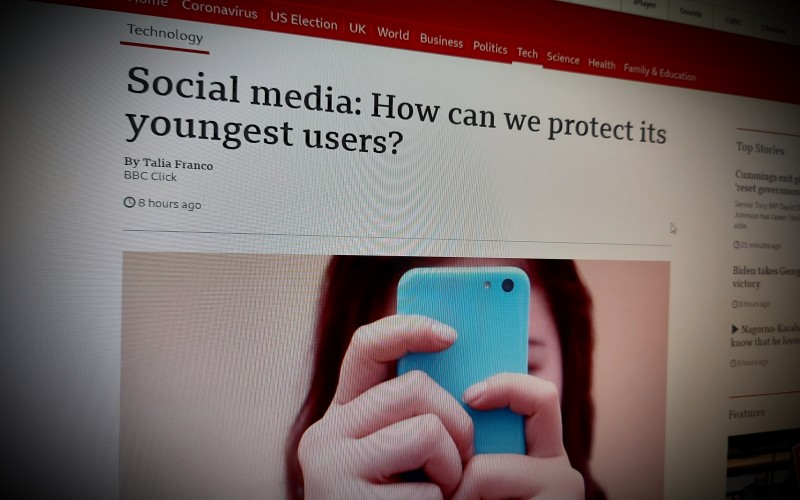
Children searching for content relating to depression and self-harm can be exposed to more of it by the recommendation engines built in to social networks.

Sophie Parkinson was just 13 when she took her own life. She had depression and suicidal thoughts.

Her mother, Ruth Moss, believes Sophie eventually took her own life because of the videos she had watched online.

Read more

19 October 2020

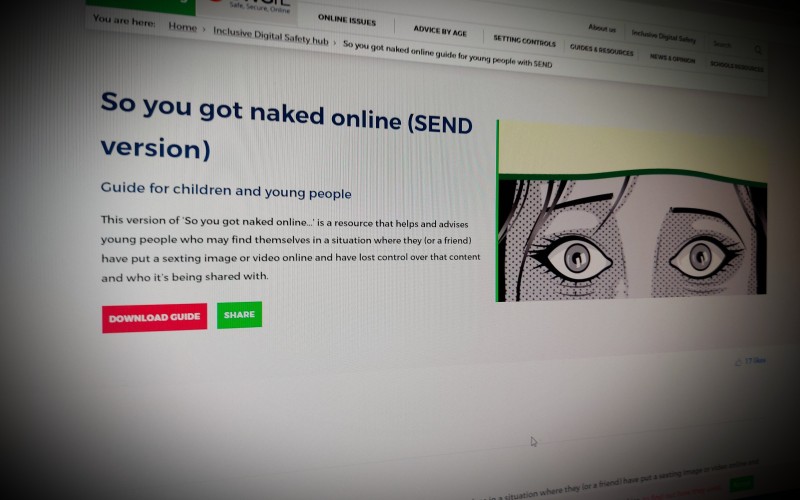
This version of ‘So you got naked online…’ is a resource that helps and advises young people who may find themselves in a situation where they (or a friend) have put a sexting image or video online and have lost control over that content and who it’s being shared with.

Read more

24 September 2020


The impact of COVID-19 means that most of us will be at home for an extended period and are likely to be spending increasing amounts of time online.

The online world is a necessity for many children in accessing school work and it delivers huge benefits, not least in enabling us to stay connected to family and friends during this period. However, many parents may feel concerned about the content their children are accessing.

Although rare, there is a risk that increased online activity and feelings of stress and isolation may be exploited by negative influences and online groomers of all kinds to target vulnerable children and young people directly.

An understanding of digital safety will help parents and carers safeguard loved ones from a range of harms, whether that’s child sexual exploitation, fraud, or extremist influences seeking to radicalise vulnerable people.

Extremists may use the COVID-19 outbreak to promote hateful views, for example through conspiracy theories blaming a particular group for the virus, or through spreading misinformation regarding these groups’ responses to it.

You can access guidance and support from the Home Office here