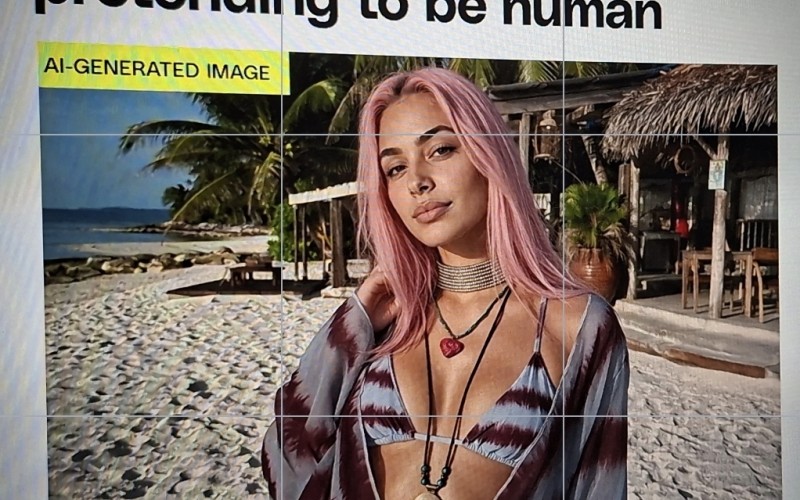
Instagram is finally taking steps to address the rise of fake AI-influencer accounts that have gotten harder to spot. It’s also renaming the “AI creator” label to “AI-generated profile” to make it clear when a profile features an AI-generated person that’s not a real human being.
Tagged with instagram
Instagram's parent company, Meta, is investigating AI-generated social media accounts that sexualise disabled people appearing on its platform.
It comes after the BBC flagged dozens of profiles showing AI-generated images of women with disabilities, including Down's syndrome or vitiligo.
Some profiles post fake images and videos of women with missing limbs, visible scarring or in wheelchairs. Many are in sexualised positions, wearing revealing clothing.
One profile, claiming to be conjoined twins, has about 400,000 followers, despite only joining Instagram in December 2025.
Kamran Mallick, chief executive of Disability Rights UK, said the emergence of "accounts that fetishise, mock, or monetise the identities of disabled people is nothing short of horrific".
Parents using Instagram's child supervision tools will soon receive alerts if their teen repeatedly searches for suicide or self-harm related terms on the platform.
It is the first time parent company Meta will proactively alert parents to searches by their child on Instagram for harmful material, rather than block searches and direct users to external help.
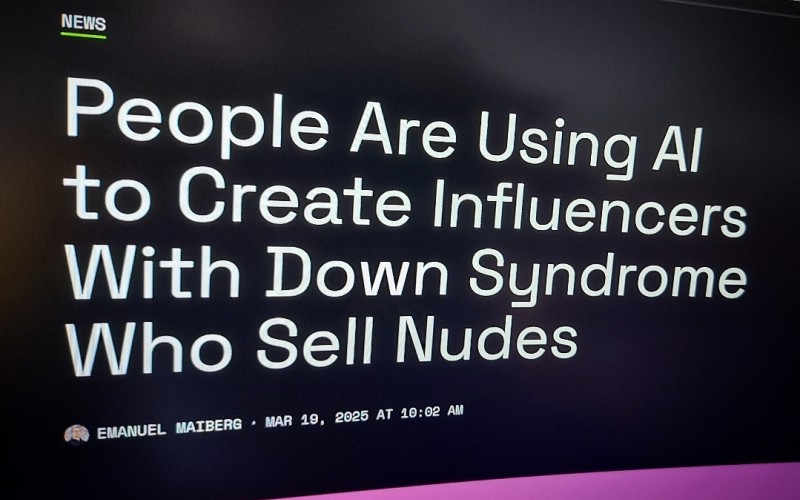
A network of Instagram accounts is using AI to steal content from human creators and deepfake their faces to make them look like they have Down syndrome. 404 Media was able to determine the accounts are linked because they reuse Instagram bios, videos, and in some cases link to the same OnlyFans competitors pages where they monetize these videos
Instagram will stop people from being able to screenshot or screen-record images and videos intended to be viewed once, as part of "ongoing efforts" to prevent sextortion on the platform.
Meta is introducing Instagram Teen Accounts, a new experience for teens, guided by parents. Teen Accounts have built-in protections which limit who can contact them and the content they see, and also provide new ways for teens to explore their interests. Meta will automatically place teens into Teen Accounts, and teens under 16 will need a parent’s permission to change any of these settings to be less strict.


Comments
make a comment