DfE guidance supporting schools to teach their pupils how to stay safe online,within new and existing school subjects
Tagged with guidance
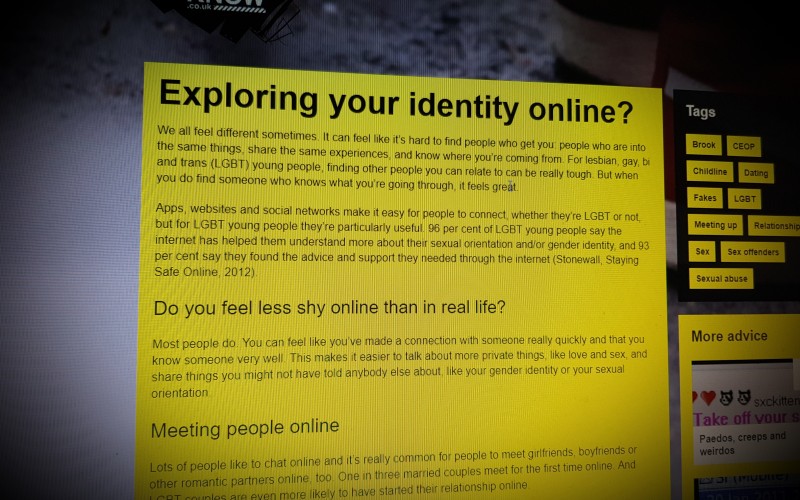
We all feel different sometimes. It can feel like it’s hard to find people who get you: people who are into the same things, share the same experiences, and know where you’re coming from. For lesbian, gay, bi and trans (LGBT) young people, finding other people you can relate to can be really tough. But when you do find someone who knows what you’re going through, it feels great.
This guide highlights a practical approach for online safety for schools. It defines each of the areas you need to think about, offers an overview of what schools are currently doing regarding online safety (based on recent research) and offers a set of reflective questions for schools to ask themselves when developing their approach.
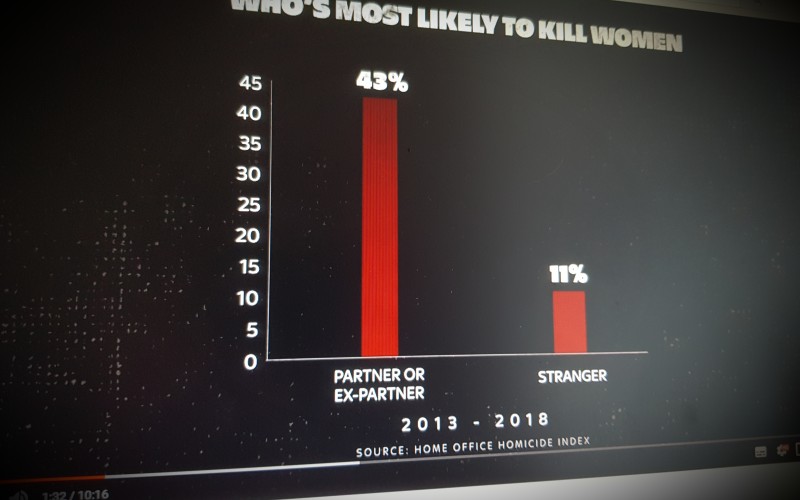
If you are a woman, the person most likely to kill you is your boyfriend, your partner, your husband.
The Safer Recruitment Consortium have updated the Guidance for Safer Working Practices.
With the support of local councils and fostering agencies, it is important that foster carers feel confident in dealing with the risks children face both offline and online.
Rules and boundaries you set offline can apply online. Take time to learn about the risks all children and young people face online, including access to inappropriate content and contact from people they don't know, so you can support the children in your care.


Comments
make a comment