17 November 2016
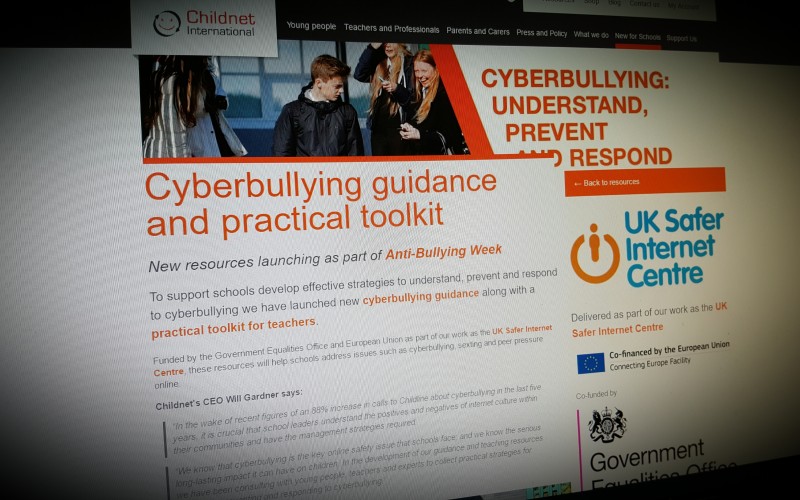
To support schools develop effective strategies to understand, prevent and respond to cyberbullying we have launched new cyberbullying guidance along with a practical toolkit for teachers.
To support schools develop effective strategies to understand, prevent and respond to cyberbullying we have launched new cyberbullying guidance along with a practical toolkit for teachers.
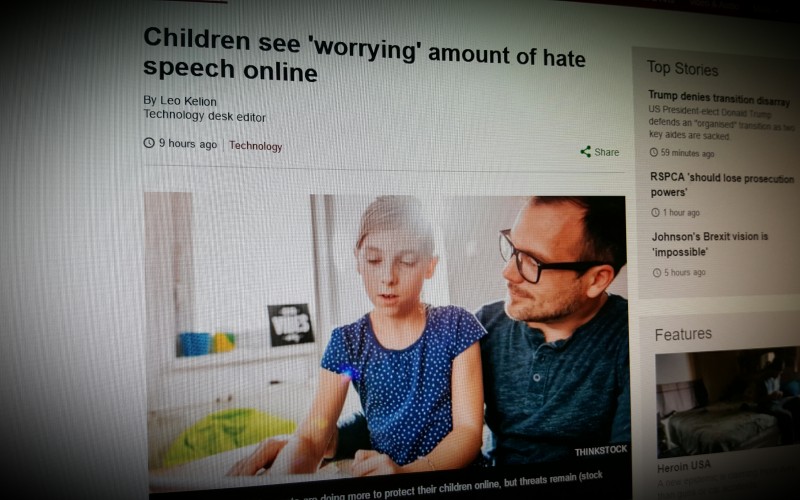
One in three internet users between the ages of 12 and 15 say they saw "hate speech" online in the past year, according to Ofcom's latest survey of children's media habits.
It is the first time the UK regulator has posed a question about the topic in its annual study.
The NSPCC charity said the finding was "very worrying", adding such posts should not be tolerated.
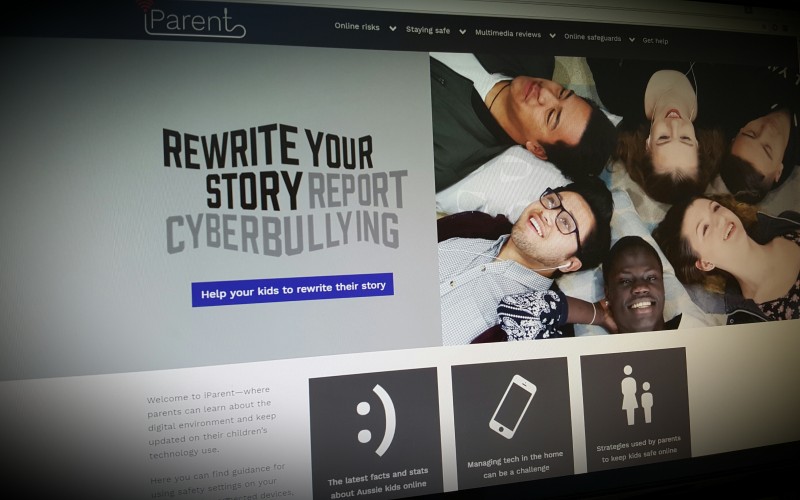
iParent—where parents can learn about the digital environment and keep updated on their children’s technology use.
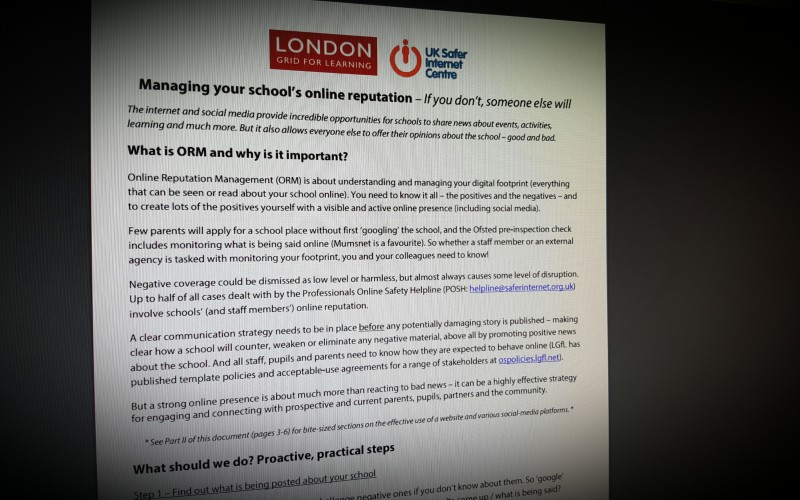
What is ORM and why is it important?
Online Reputation Management (ORM) is about understanding and managing your digital footprint (everything that can be seen or read about your school online). You need to know it all – the positives and the negatives – and to create lots of the positives yourself with a visible and active online presence (including social media).
Few parents will apply for a school place without first ‘googling’ the school, and the Ofsted pre-inspection check
includes monitoring what is being said online (Mumsnet is a favourite). So whether a staff member or an external
agency is tasked with monitoring your footprint, you and your colleagues need to know!
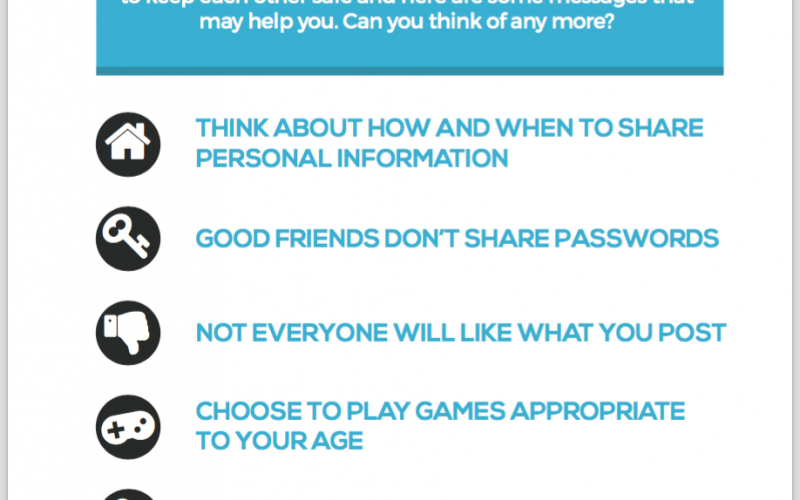
Social media is a great way to share with friends and people all over the world. It can be a lot of fun and there are so many apps and tools to allow ourselves to be creative. We do need to be careful though, and aware there are many people, adults and children who also use social media and may want to harm or upset us.
NSPCC Resource
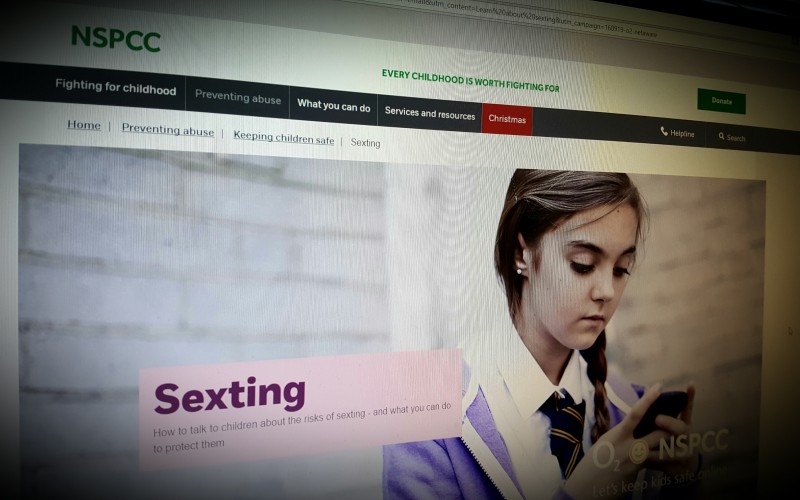
It may feel awkward, but it's important to explain to children the risks of sexting, how to stay safe and remind them that they can talk to you if something ever makes them feel scared or uncomfortable.
Comments
make a comment