01 February 2019
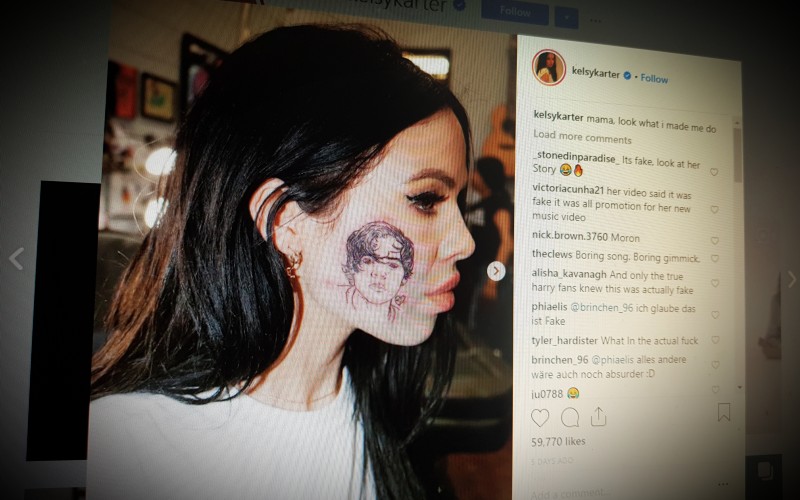
How do we know what's real and what's fake?
Why did Kelsy have a tattoo of Harry on her face? Watch the video for her explanation.
As computing coordinator at a special school, with many vulnerable pupils, Simfin is my go to place for up to date, straight talking, clear information on esafety and safeguarding. Highly recommend anyone involved in education to follow this page and if you need training and information, Simfin is your man!
31 August 2026
How do we know what's real and what's fake?
Why did Kelsy have a tattoo of Harry on her face? Watch the video for her explanation.
This report examines children’s media literacy. It provides detailed evidence on media use, attitudes and understanding among children and young people aged 5-15, as well as about the media access and use of young children aged 3-4.
The report also includes findings relating to parents’ views about their children’s media use, and the ways that parents seek – or decide not – to monitor or limit use of different types of media.
Also, Here's the BBC's summary of findings which may be easier to read.
The UK Safer Internet Centre has launched top tips and advice pages especially for Safer Internet Day 2019.
A study from researchers at the University of Vermont and the University of Adelaide found that access to as few as eight of our contacts is enough to enable predictive or machine learning technologies to achieve up to 95% accuracy in guessing what a person will post.
From an abstract of the study, titled “Information flow reveals prediction limits in online social activity” and published in the journal Nature Human Behaviour on Monday:
Information is so strongly embedded in a social network that, in principle, one can profile an individual from their available social ties even when the individual forgoes the platform completely.
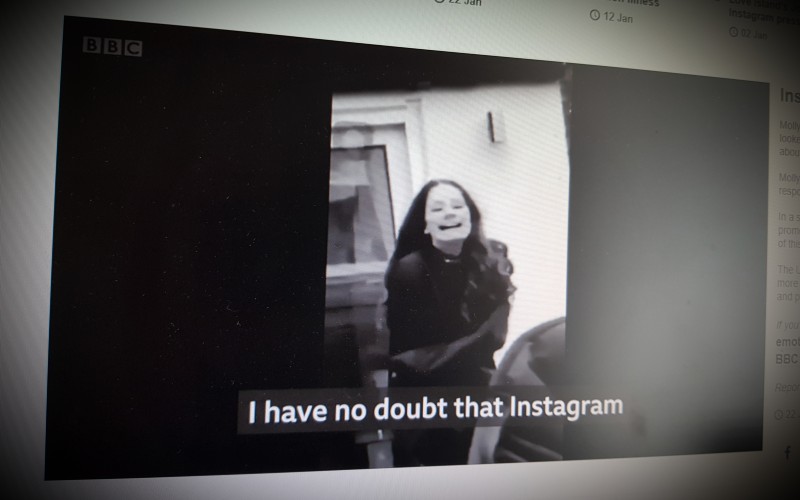
Molly Russell, 14, took her own life in 2017. When her family looked into her Instagram account they found distressing material about depression and suicide.
Molly's father Ian says he believes Instagram is partly responsible for his daughter's death.
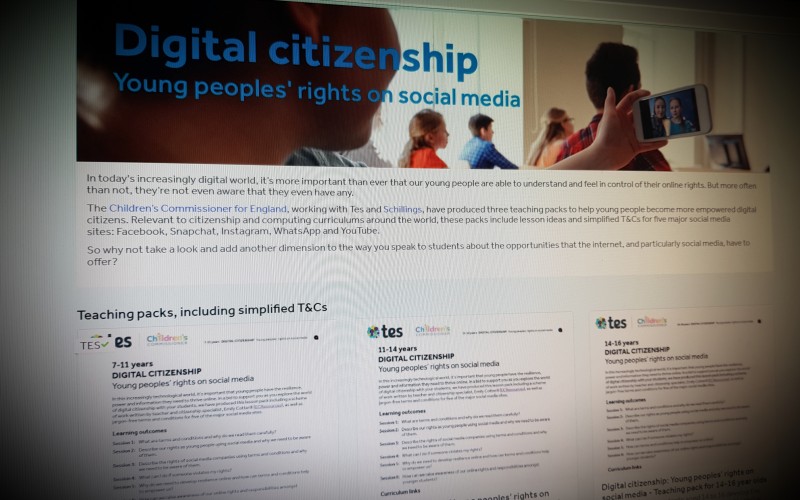
The Children’s Commissioner for England, working with Tes and Schillings, have produced three teaching packs to help young people become more empowered digital citizens.
These packs include lesson ideas and simplified T&Cs for five major social media sites: Facebook, Snapchat, Instagram, WhatsApp and YouTube.
Comments
make a comment