


LGFL has updated the existing documents to align with the latest legislation and guidance, as well as national trends around online safeguarding, such as:
• More detail within the filtering and monitoring section to align with KCSIE 2026
• Greater emphasis on the use of Gen AI and the need for schools to have a strategic approach
• A warning about the significant safeguarding and data protection risks of wearable technology and the use of recording devices in schools (e.g. image-capturing glasses and earpieces)
• Updates related to image sharing and the risk of AI manipulation
• Inclusion of the mandatory duty to report child sexual abuse as per the Children’s Wellbeing and Schools Act (2026).
Tagged with online safety
With just three months to go until Safer Internet Day on 11th February 2025 – the official resources of the day in the UK are now available to download for free.
Created by online safety experts, these resources enable you to embed online safety learning into your lessons to celebrate Safer Internet Day, no matter what age young people you work with.
Educational Resources
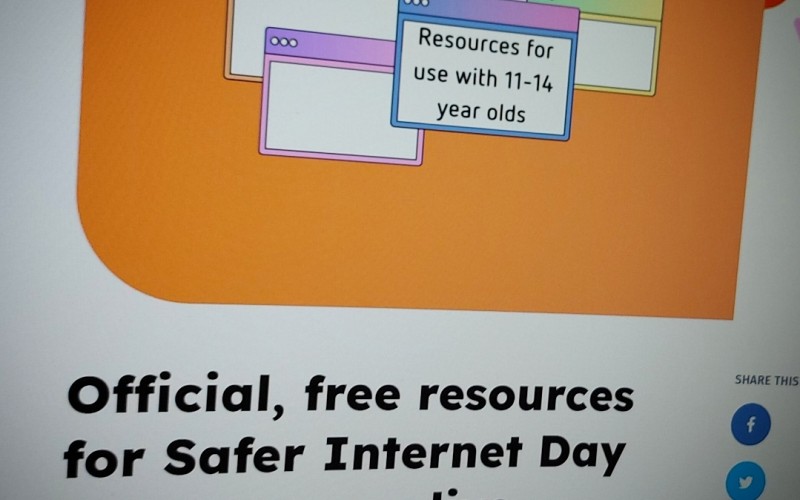
To help schools, youth groups, police services, libraries and others run fun and engaging activities for Safer Internet Day here are education resources.
Free to download, these engaging resources are tailored for 3-18 year olds and are designed to support educators in delivering messages about the campaign theme of change online.
This user-friendly tool offers a wide array of customization options. Users start with a randomly generated human figure and can modify numerous aspects like age, gender, ethnicity, body type, and pose, in addition to hair color, style, clothing, and accessories—kind of like The Sims.
Story-style Build & Talk activities, created for children ages 6 to 9, support families with a playful way to engage in otherwise difficult conversations about digital safety topics whilst playing with LEGO® bricks. Covering six different topics, the activities are designed to help your child navigate the online world safely.
The root cause? A lack of eye contact, facial expressions, human touch and even voice intonations, said Kaitlynn Mendes, an associate professor in sociology at Western University.


Comments
make a comment