
29 April 2015
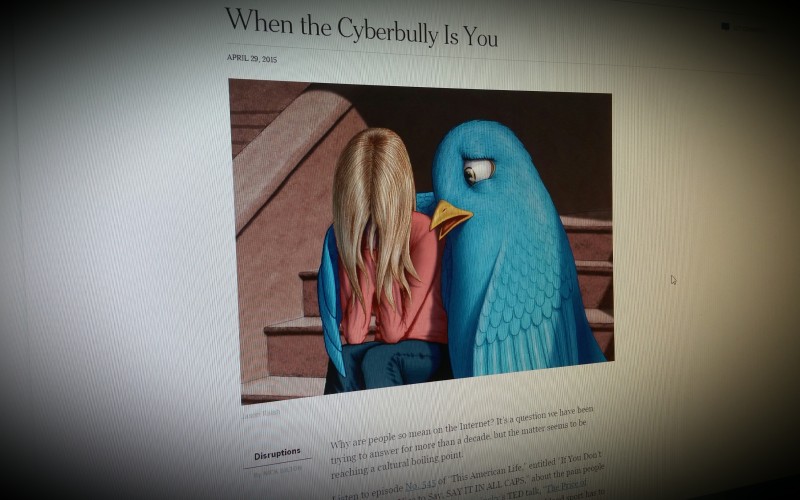
Why are people so mean on the Internet? It's a question we have been trying to answer for more than a decade, but the matter seems to be reaching a cultural boiling point.
Read the New York Times article here
I thought it was one of the best (entertaining, informative) sessions we have ever had at Senior Staff Forum. He so clearly is very knowledgeable with regards to the subject area & presented extremely well.
31 August 2026
Why are people so mean on the Internet? It's a question we have been trying to answer for more than a decade, but the matter seems to be reaching a cultural boiling point.
Read the New York Times article here
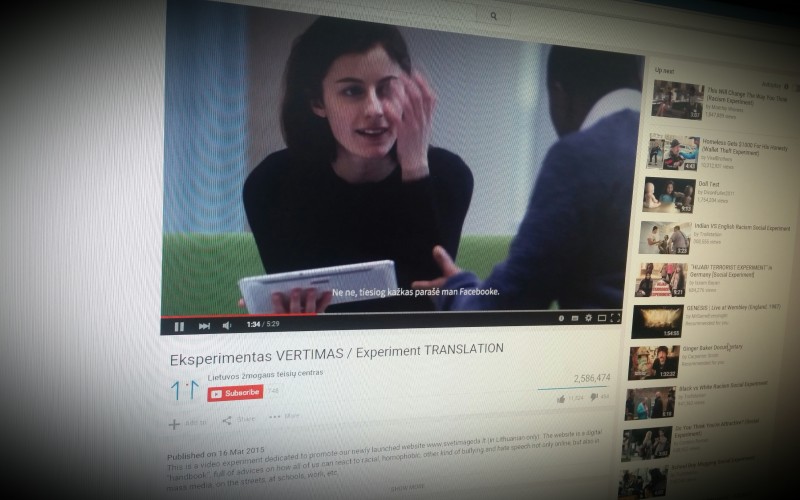
As part of an experiment, a man asks for help translating a Facebook message he has received.
There's a man in Lithuania who speaks only English. The message is in Lithuanian. He can't read it, so he asks some locals to translate it for him.
Watch what happens here.
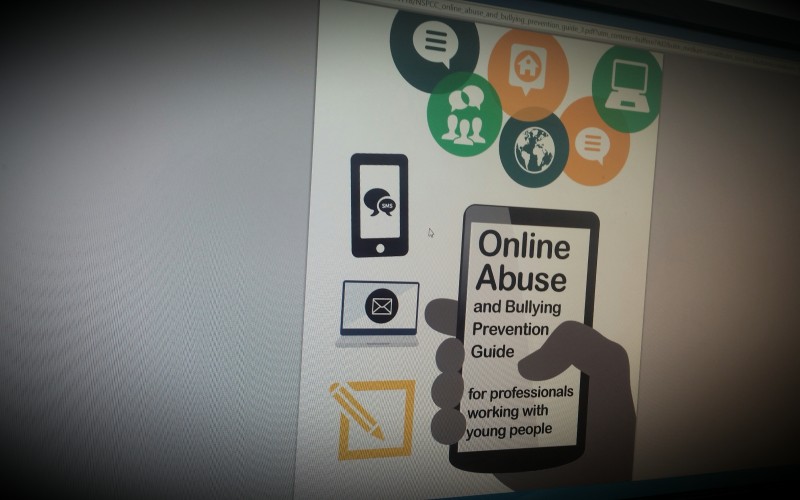
This guide has been developed for professionals who work with young people to help them understand what constitutes abusive behaviour online, the consequences of that behaviour, and where they can get help. The guide applies to professionals working in England and Wales.
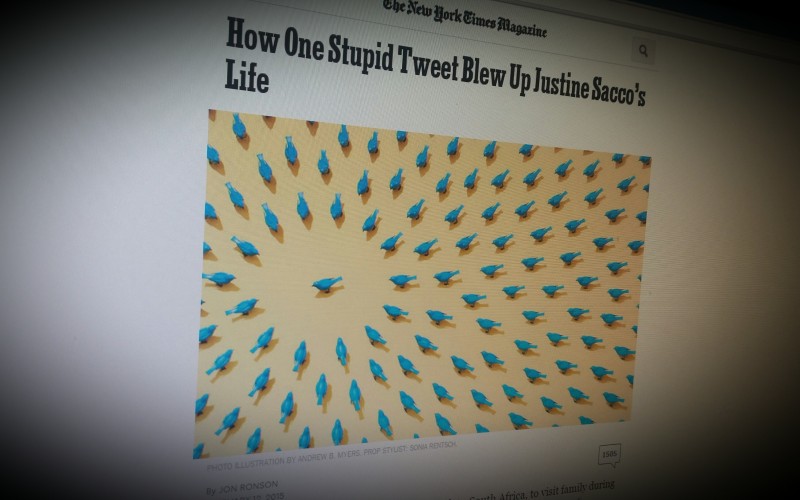
A thoughtful piece of writing on the public shaming of those who make foolish, naive and ignorant posts - and their subsequent, questionably deserved, downfall. Read the New York Times article here.
This is non-statutory advice from the Department for Education for headteachers and all school staff on how to protect themselves from cyberbullying and how to tackle it if it happens. (as published 17th November 2014)
Read the document(s) here.
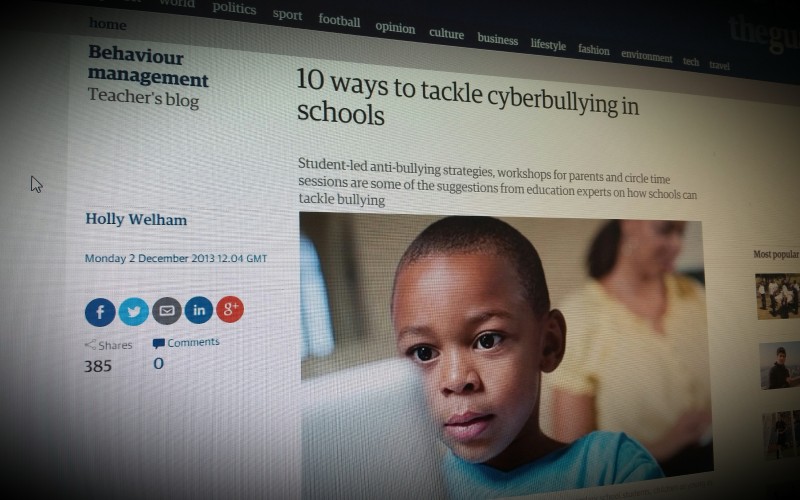
Student-led anti-bullying strategies, workshops for parents and circle time sessions are some of the suggestions from education experts on how schools can tackle bullying.
Read more here.
Comments
make a comment