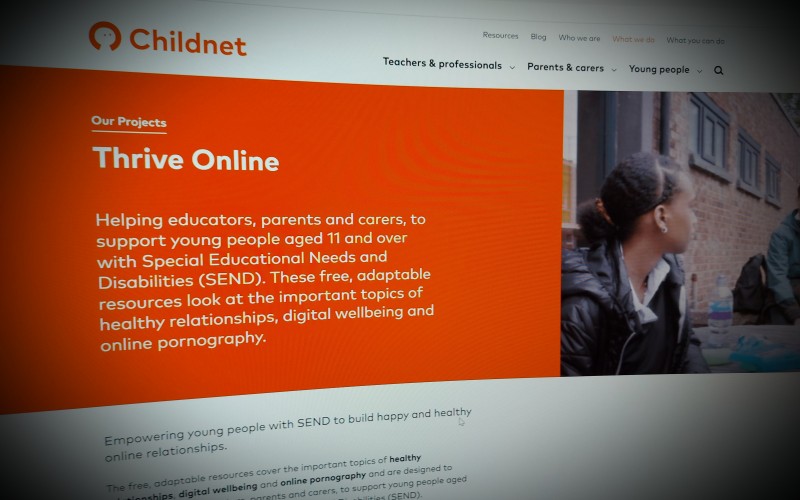
Helping educators, parents and carers, to support young people aged 11 and over with Special Educational Needs and Disabilities (SEND). These free, adaptable Childnet resources look at the important topics of healthy relationships, digital wellbeing and online pornography.
Tagged with teaching
This teaching resource lesson plan is designed to help teachers and facilitators educate young people about pornography, specifically online.
The lesson is broken down into three main sections, which can be taught together or separately; The history of porn, The legalities and Myth busters.
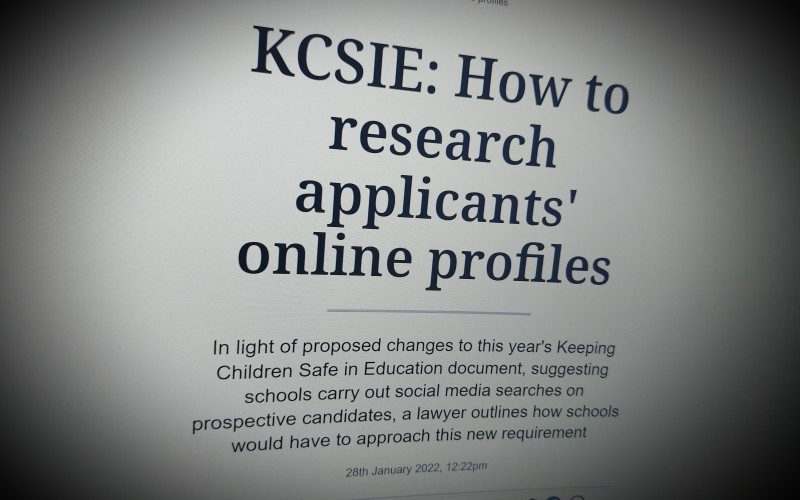
In light of proposed changes to this year's Keeping Children Safe in Education document, suggesting schools carry out social media searches on prospective candidates, a lawyer outlines how schools would have to approach this new requirement
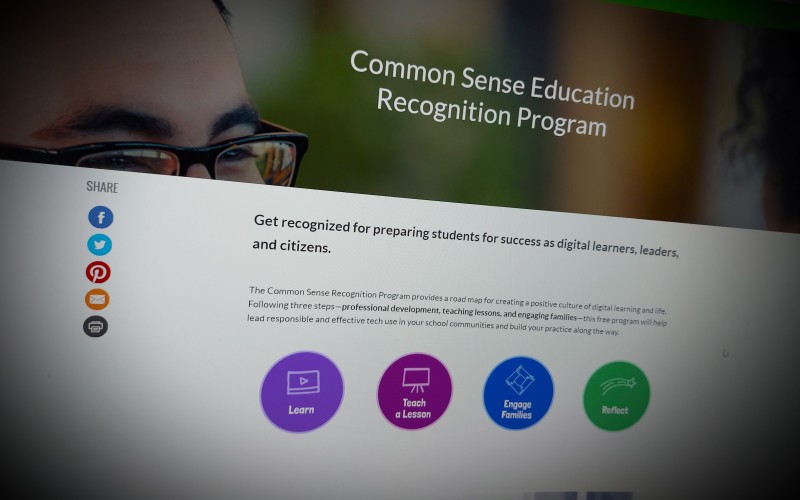
The Common Sense Recognition Program provides a road map for creating a positive culture of digital learning and life. Following three steps—professional development, teaching lessons, and engaging families—this free program will help lead responsible and effective tech use in your school communities and build your practice along the way.
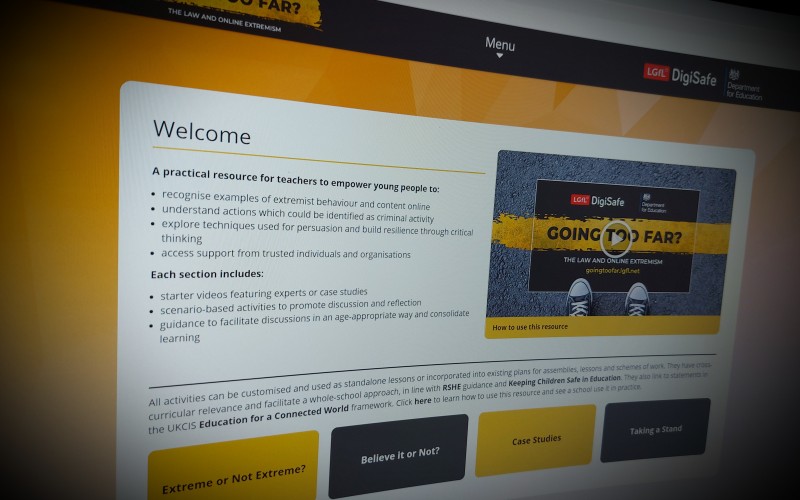
A practical resource for teachers to empower young people to:
Recognise examples of extremist behaviour and content online
Understand actions which could be identified as criminal activity
Explore techniques used for persuasion and build resilience through critical thinking
Access support from trusted individuals and organisations
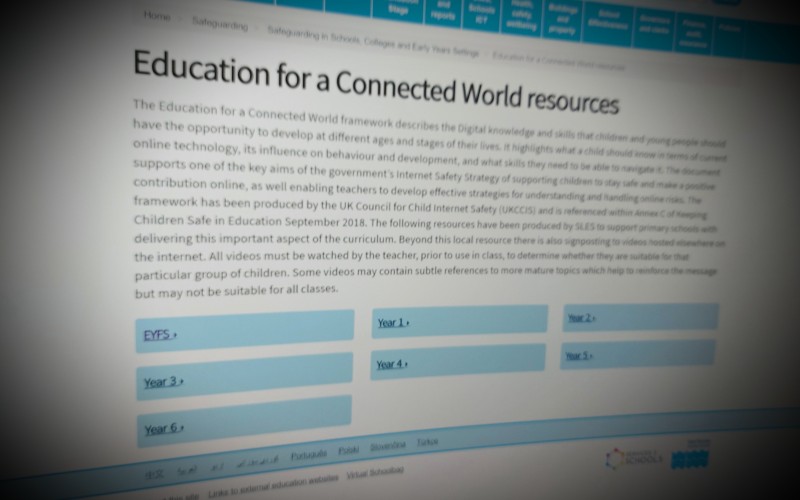
The following resources have been produced by SLES to support primary schools with delivering this important aspect of the curriculum. Beyond this local resource there is also signposting to videos hosted elsewhere on the internet. All videos must be watched by the teacher, prior to use in class, to determine whether they are suitable for that particular group of children. Some videos may contain subtle references to more mature topics which help to reinforce the message but may not be suitable for all classes.


Comments
make a comment