Feedback

Simfin

online safety and digital citizenship specialist

 Tagged with digital literacy


11 July 2026

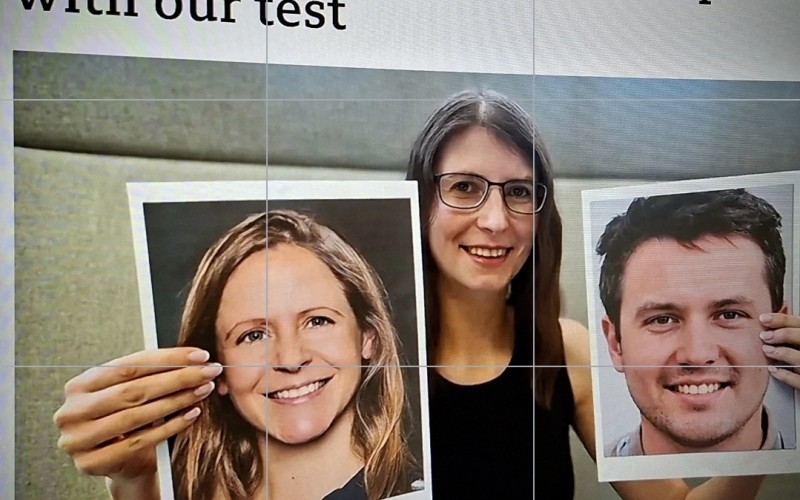
It used to be far easier to spot computer-generated visual creations - often used by fraudsters - because AI would make blunders, like adding an extra finger or something else that was obviously weird.

But AI learns from its mistakes.

"Training on visual artifacts, like looking for a sixth finger or odd earrings, has had limited success, partly because the AI is getting too good, and fraudsters may avoid using pictures with obvious flaws anyway," explained Prof Amy Dawel.

Read more

10 March 2026

When some parents discovered the 'red v blue' posts, the posters were forwarded to parental WhatsApp and Facebook groups and schools were made aware.

And so some secondary school-age children only became aware of the posters in the first place because of what their parents were seeing.

Read more

01 November 2025

'We are sleepwalking directly into our next obesity epidemic. One designed directly to appeal to our consumerist tendencies, to appease our need for dopamine, and offers light reprieve from our daily dystopian depression. But, rather than a diet of greasy takeaway fries and sugar-stuffed chocolate priced low at the checkout to drive impulse purchases, this next threat is to our creative minds.'

Read more

22 June 2025

The fake videos and images show how generative AI has already become a staple of modern conflict. On one end, AI-generated content of unknown origin is filling the void created by state-sanctioned media blackouts with misinformation, and on the other end, the leaders of these countries are sharing AI-generated slop to spread the oldest forms of xenophobia and propaganda.

Read more

06 June 2025

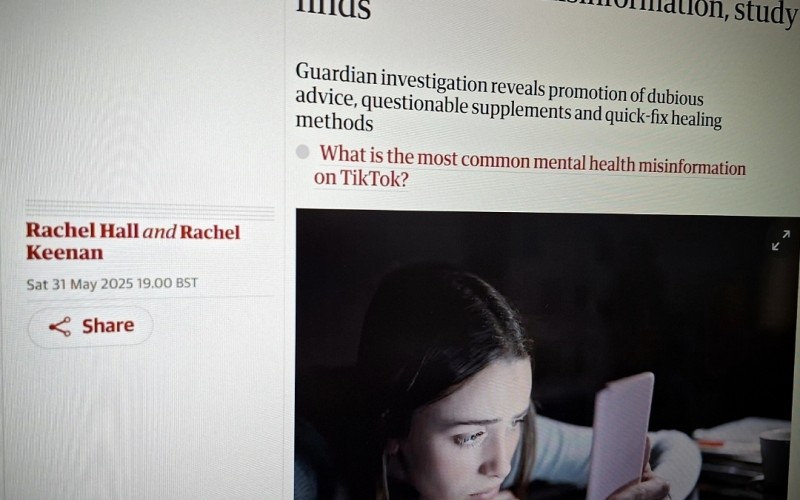
People are increasingly turning to social media for mental health support, yet research has revealed that many influencers are peddling misinformation, including misused therapeutic language, “quick fix” solutions and false claims.

Read more